


Brake Resistor Failure in a Roller Coaster Application
Downloads
| REO2025-32_CS-Brake-Resistors-Dangers-of-Poor-Design.docx (DOCX 238KB) |
| REO2025-33-1-e1762508160754.png (PNG 23KB) |
| Case-Study_1.png (PNG 124KB) |
| Case-Study_2.png (PNG 64KB) |
Brake Resistor Failure in a Roller Coaster Application — Case Study Application
Application
Amusement park ride systems | Roller coaster braking | Safety-critical drive applications
Products Used
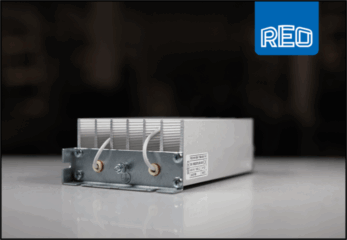
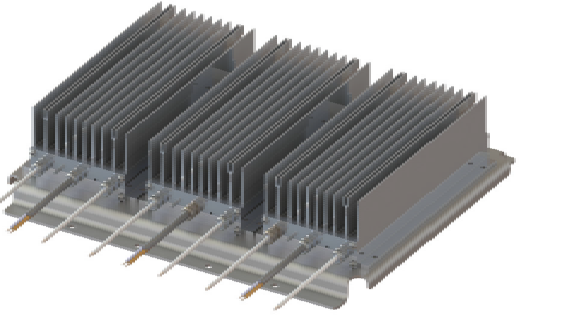
REO BW156 brake resistor range
Background
In high-energy ride systems such as roller coasters, braking resistors play a critical role in safety. During controlled deceleration, large amounts of regenerative energy must be dissipated reliably. Failure within the braking circuit can result in ride stoppages, emergency shutdowns, or damage to drive equipment.
REO UK was contacted following repeated braking resistor failures on a roller coaster installation at a globally recognised amusement park.
The Ride System Context
Modern roller coasters rely on variable-speed drives to manage acceleration, lift-hill control, and braking zones. During braking events, kinetic energy is returned to the DC link and dissipated using braking resistors.
The resistors in place were exposed to high-peak regenerative loads, continuous vibration, wide temperature variations, and moisture typical of outdoor installations.
The Challenge
Repeated failures led to ride shutdowns and increased maintenance costs. Investigation revealed fractured ceramic formers, shifted resistance wire creating localised hot spots, uneven heat distribution, and corroded external thermal protection. in one instance, uncontrolled heating caused catastrophic damage to the resistor, drive system and the car itself.
The REO Solution
REO UK engineers recommended the BW156 brake resistor range, designed for harsh environments. Key features included a corrosion-resistant alloy housing, mechanical stability under vibration, optimised thermal performance, and sealed internal thermal protection that eliminates moisture ingress.
Results & Benefits
- Improved reliability under demanding duty cycles
- Reduced safety risk through dependable thermal protection
- Lower maintenance intervention and reduced downtime
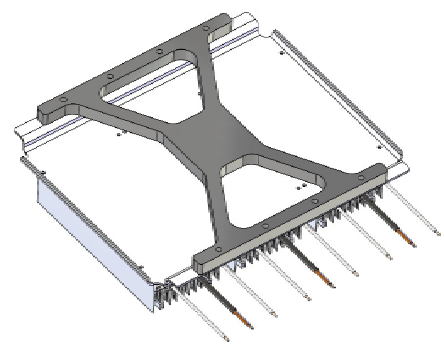
In addition to the electrical redesign, a bespoke mounting plate was engineered to allow the new breaking resistors to be installed as a form-and-function replacement for the original units. This ensured that the upgraded resistors could be fitted within the existing mechanical envelope, maintaining clearances, airflow, and mounting points without requiring structural modification to the ride system.
The engineering team responsible for the ride noted that “The change in resistor design addressed failure modes we had not previously considered, and reliability improved immediately.”
Engineering Support for Safety-Critical Drive Applications
REO UK supports drive manufacturers, system integrators, and operators with application-specific brake resistor selection to ensure safe, reliable energy dissipation in demanding, safety-critical environments.